Blog

  • The Ultimate Guide to Smart Home Relay: Enhancing Your Home Automation Experience

      The modern home is no longer just a place to live; it’s a hub of technology and convenience. One of the key components of this technological revolution is the smart home relay. In this ultimate guide, we will explore what a smart home relay is, its benefits, how it works, and how you can integrate it into your home automation system.

      **What is a Smart Home Relay?**

      A smart home relay is a device that allows you to control electrical devices in your home remotely through a smartphone app or a central home automation system. Unlike traditional relays, which are usually limited to switching on and off a single appliance, smart home relays offer more advanced features and integration capabilities.

      **Benefits of Using a Smart Home Relay**

      1. **Remote Control**: With a smart home relay, you can control your home appliances from anywhere in the world, as long as you have an internet connection. This feature is particularly useful for managing devices that are not within your immediate reach or for setting up schedules for energy-saving purposes.

      2. **Energy Efficiency**: Smart home relays can help you save energy and reduce your utility bills. By remotely controlling appliances, you can turn them off when not in use, preventing unnecessary energy consumption.

      3. **Integration with Other Smart Home Devices**: Smart home relays can be integrated with various other smart home devices, such as smart lights, thermostats, and security systems. This allows for a cohesive and seamless home automation experience.

      4. **Safety and Security**: Smart home relays can be used to monitor and control your home’s electrical systems, providing an additional layer of safety and security. For instance, you can remotely turn off the power to certain areas of your home when you’re away, reducing the risk of electrical fires.

      **How Does a Smart Home Relay Work?**

      A smart home relay works by connecting to your home’s electrical system and allowing you to control the flow of electricity to your appliances. When you send a command through a smartphone app or a central home automation system, the relay receives the signal and switches the electrical circuit on or off accordingly.

      Most smart home relays use Wi-Fi or Zigbee technology to communicate with your home automation system. Some models also support other wireless protocols, such as Z-Wave or Thread, for broader compatibility.

      **Integrating a Smart Home Relay into Your Home Automation System**

      To integrate a smart home relay into your home automation system, follow these steps:

      1. Choose the Right Smart Home Relay: Research different models and choose one that meets your specific needs, such as the number of devices you want to control and the wireless protocol it supports.

      2. Install the Relay: Follow the manufacturer’s instructions to install the relay in your home’s electrical system. This may involve mounting the relay on a wall or installing it in a junction box.

      3. Connect to Your Home Network: Connect the relay to your home’s Wi-Fi or other wireless network using the provided instructions.

      4. Pair with Your Home Automation System: Use the smartphone app or central home automation system to pair the relay with your home automation network.

      5. Set Up and Test: Configure the relay’s settings in the app or system, and test its functionality by remotely controlling an appliance connected to it.

      **Conclusion**

      The smart home relay is a versatile and powerful tool that can significantly enhance your home automation experience. By providing remote control, energy efficiency, and integration with other smart home devices, a smart home relay can help you create a more convenient, energy-saving, and secure home environment. As home automation continues to evolve, the smart home relay will undoubtedly play a crucial role in shaping the future of smart living.


    Smart home relay

  • The Versatile Industrial Wiring Duct: A Key Component for Efficient Electrical Systems

      The industrial wiring duct, often referred to as a conduit, plays a crucial role in the efficient and safe operation of electrical systems in industrial settings. This article delves into the importance of industrial wiring ducts, their types, benefits, and how they contribute to the overall functionality of industrial electrical systems.

      **Introduction**

      In any industrial setting, the management of electrical wiring is a critical aspect that ensures the smooth operation of machinery and equipment. Industrial wiring ducts are essential components that facilitate the organization, protection, and maintenance of electrical wiring. These ducts are designed to house electrical cables, wires, and conduits, providing a structured and efficient solution for electrical installations.

      **Types of Industrial Wiring Ducts**

      There are various types of industrial wiring ducts available, each suited to different applications and environments. Some of the most common types include:

      1. **Metallic Conduits**: Made from materials like steel, aluminum, or copper, metallic conduits offer excellent protection against electrical and mechanical damage. They are suitable for harsh industrial environments where high levels of protection are required.

      2. **Plastic Conduits**: Plastic conduits are lightweight, flexible, and resistant to chemicals and corrosion. They are commonly used in environments where exposure to chemicals or high temperatures is a concern.

      3. **Flexible Conduits**: Flexible conduits are ideal for applications where the wiring needs to be moved or adjusted frequently. They are easy to install and provide excellent protection against damage.

      4. **Rigid Conduits**: Rigid conduits are suitable for fixed installations where the wiring does not require frequent movement. They offer excellent protection against mechanical damage and are commonly used in outdoor applications.

      **Benefits of Industrial Wiring Ducts**

      The use of industrial wiring ducts offers several benefits, including:

      1. **Safety**: Industrial wiring ducts provide a safe environment for electrical wiring, reducing the risk of electrical fires, short circuits, and other hazards.

      2. **Ease of Maintenance**: With organized and structured wiring, maintenance tasks become more manageable and efficient. This helps in reducing downtime and improving overall productivity.

      3. **Cost-Effectiveness**: By providing a durable and long-lasting solution for electrical wiring, industrial wiring ducts help in reducing maintenance and replacement costs over time.

      4. **Compliance with Regulations**: The use of industrial wiring ducts ensures compliance with relevant safety standards and regulations, thereby avoiding legal and financial penalties.

      **Applications of Industrial Wiring Ducts**

      Industrial wiring ducts find applications in a wide range of industries, including:

      1. **Manufacturing**: In manufacturing plants, industrial wiring ducts are used to house electrical wiring in machinery, equipment, and production lines.

      2. **Construction**: Construction sites utilize industrial wiring ducts for temporary or permanent electrical installations, ensuring the safety and efficiency of the site.

      3. **Transportation**: Industrial wiring ducts are used in transportation systems, such as trains, buses, and ships, to house electrical wiring and ensure the smooth operation of the vehicles.

      4. **Energy Generation and Distribution**: In power plants and utility companies, industrial wiring ducts are used to manage electrical wiring in transformers, generators, and other equipment.

      **Conclusion**

      The industrial wiring duct is a vital component in the design and implementation of efficient electrical systems. By providing safety, ease of maintenance, and compliance with regulations, these ducts play a crucial role in ensuring the smooth operation of industrial settings. As industries continue to evolve and demand more advanced and reliable electrical systems, the importance of industrial wiring ducts will only grow.

    industrial wiring duct

  • ATEX Tactical Flashlight Wholesale in China: A Comprehensive Guide

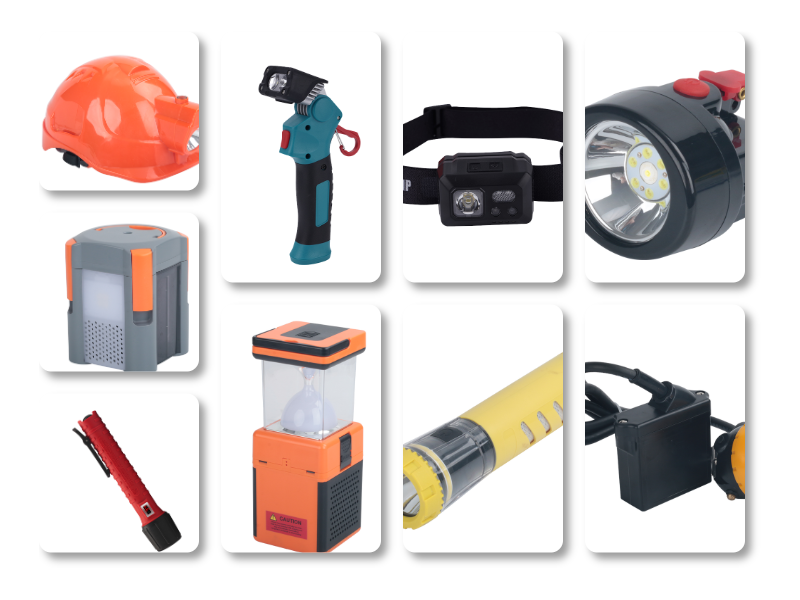
      In today’s fast-paced world, tactical flashlights have become an essential tool for law enforcement, military personnel, and outdoor enthusiasts alike. The demand for high-quality, reliable, and durable tactical flashlights has never been higher. One of the leading suppliers in this market is China, offering a wide range of ATEX tactical flashlights for wholesale. This article provides a comprehensive guide to ATEX tactical flashlights wholesale in China, covering the benefits, types, and how to choose the right flashlight for your needs.

      **Introduction**

      ATEX (Atmospheres Explosibles) is a European standard that specifies the requirements for equipment used in potentially explosive atmospheres. ATEX tactical flashlights are designed to be used in environments where there is a risk of explosion due to the presence of flammable gases, vapors, or dust. These flashlights are built to the highest safety standards and offer exceptional performance.

      **Benefits of ATEX Tactical Flashlights Wholesale from China**

      1. **High Quality**: China is known for its high-quality manufacturing processes. ATEX tactical flashlights from China are made using premium materials and advanced technology, ensuring durability and reliability.

      2. **Competitive Pricing**: China’s large-scale production and efficient supply chain allow for competitive pricing, making ATEX tactical flashlights an affordable option for wholesalers.

      3. **Wide Range of Options**: China offers a wide range of ATEX tactical flashlights, including various sizes, shapes, and features, catering to different needs and preferences.

      4. **Customization**: Many Chinese manufacturers offer customization services, allowing wholesalers to brand the flashlights with their own logo or design.

      **Types of ATEX Tactical Flashlights Available in China**

      1. **Handheld Flashlights**: These are the most common type of ATEX tactical flashlights and are designed for easy handling and use.

      2. **Headlights**: Headlights are ideal for hands-free operation, allowing users to keep both hands free while navigating in low-light conditions.

      3. **Rechargeable Flashlights**: Rechargeable ATEX tactical flashlights are an environmentally friendly option and offer extended runtime.

      4. **Battery-Powered Flashlights**: These flashlights are a cost-effective option and are available in various sizes and brightness levels.

      **How to Choose the Right ATEX Tactical Flashlight for Your Needs**

      1. **Brightness**: Consider the brightness level required for your specific application. ATEX tactical flashlights are available in various brightness levels, from 100 lumens to over 1000 lumens.

      2. **Battery Life**: Choose a flashlight with a battery life that meets your needs. Rechargeable and battery-powered options are available, each with its own advantages.

      3. **Size and Weight**: Consider the size and weight of the flashlight, especially if you plan to carry it for extended periods.

      4. **Durability**: ATEX tactical flashlights are built to withstand harsh conditions. Look for features such as shock resistance, water resistance, and impact resistance.

      5. **Additional Features**: Some ATEX tactical flashlights come with additional features, such as strobe mode, zoom function, and SOS signal.

      **Conclusion**

      ATEX tactical flashlights wholesale from China offer a cost-effective and reliable solution for businesses looking to supply high-quality tactical flashlights. By understanding the benefits, types, and how to choose the right flashlight, wholesalers can make informed decisions and provide their customers with the best possible options.

    ATEX tactical flashlight wholesale China

  • The Future of New Energy Relay: Advancements and Implications

      The rapid advancements in the field of renewable energy have led to a surge in the demand for efficient and reliable relay systems. New energy relay, a term that encapsulates the innovative technologies designed to cater to the needs of the renewable energy sector, has gained significant attention in recent years. This article explores the advancements in new energy relay technology, its implications for the renewable energy industry, and the future prospects of this groundbreaking technology.

      **Introduction**

      The renewable energy sector has witnessed remarkable growth over the past decade, with an increasing number of countries setting ambitious targets for renewable energy adoption. This surge in renewable energy generation has necessitated the development of advanced relay systems capable of handling the unique requirements of renewable energy sources. New energy relay technology has emerged as a key enabler in this transition, offering solutions that are both efficient and sustainable.

      **Advancements in New Energy Relay Technology**

      1. **Solid-State Relays**: Traditional electromagnetic relays have been replaced by solid-state relays (SSRs) in many applications. SSRs offer several advantages over their electromagnetic counterparts, including faster switching speeds, lower power consumption, and greater reliability. These relays are ideal for renewable energy systems, where rapid and precise control is essential.

      2. **Smart Relays**: The integration of microcontrollers and communication interfaces has led to the development of smart relays. These relays can be remotely monitored and controlled, allowing for better management of renewable energy systems. Smart relays also provide real-time data on system performance, enabling operators to make informed decisions.

      3. **High-Voltage Relays**: As renewable energy systems continue to grow in size and capacity, the need for high-voltage relays has become more pronounced. These relays are designed to handle high-voltage applications, ensuring the safe and efficient operation of renewable energy systems.

      4. **Customizable Relays**: New energy relay technology has evolved to offer customizable solutions that cater to the specific needs of renewable energy systems. These relays can be tailored to handle a wide range of voltages, currents, and switching frequencies, making them suitable for various applications.

      **Implications for the Renewable Energy Industry**

      The adoption of new energy relay technology has several implications for the renewable energy industry:

      1. **Improved Reliability**: New energy relays offer higher reliability, reducing the risk of system failures and downtime. This is crucial for renewable energy systems, which rely on continuous and stable power generation.

      2. **Enhanced Efficiency**: The efficient operation of new energy relays leads to lower energy losses and improved overall system efficiency. This is particularly important for renewable energy systems, which aim to maximize the utilization of available resources.

      3. **Cost Reduction**: New energy relay technology can lead to significant cost savings for renewable energy projects. The reduced risk of system failures and downtime, combined with lower energy losses, can result in lower maintenance and operation costs.

      4. **Environmental Benefits**: The adoption of new energy relay technology contributes to the reduction of greenhouse gas emissions and the protection of the environment. This is in line with the global efforts to combat climate change and promote sustainable development.

      **Future Prospects**

      The future of new energy relay technology looks promising, with several exciting developments on the horizon:

      1. **Integration with IoT**: The integration of new energy relays with the Internet of Things (IoT) will enable real-time monitoring and control of renewable energy systems. This will further improve system efficiency and reliability.

      2. **Artificial Intelligence**: The application of artificial intelligence (AI) in new energy relay technology will lead to the development of intelligent relay systems capable of making autonomous decisions. This will revolutionize the way renewable energy systems are operated and maintained.

      3. **Miniaturization**: As technology continues to advance, new energy relays are expected to become smaller and more efficient, making them suitable for a wider range of applications.

      In conclusion, new energy relay technology is a crucial component of the renewable energy sector. Its continuous evolution is driving the growth of the renewable energy industry, offering solutions that are both efficient and sustainable. As the world moves towards a more sustainable future, the role of new energy relay technology will only become more significant.

    New energy relay

  • Understanding the Importance of Electrical Wiring Ducts in Modern Construction

      In the world of modern construction, the role of electrical wiring ducts cannot be overstated. These essential components play a crucial part in ensuring the safety, efficiency, and aesthetics of buildings. This article delves into the significance of electrical wiring ducts, their types, installation processes, and the benefits they offer.

      Electrical wiring ducts, also known as conduits or raceways, are designed to house electrical wiring and cables within buildings. They provide a protected pathway for the flow of electricity, minimizing the risk of fire, electrical shock, and other hazards. In this article, we will explore the various aspects of electrical wiring ducts to understand their importance in modern construction.

      **Types of Electrical Wiring Ducts**

      There are several types of electrical wiring ducts available in the market, each with its unique features and applications. Some of the most common types include:

      1. **Metallic Conduits**: Made from materials like copper, aluminum, and steel, metallic conduits offer excellent protection against fire and electrical hazards. They are suitable for both indoor and outdoor installations.
    2. **Plastic Conduits**: Plastic conduits are lightweight, flexible, and resistant to corrosion. They are commonly used in residential and commercial buildings.
    3. **Flexible Conduits**: These conduits are made from materials like rubber or plastic and are ideal for installations where flexibility is required, such as in tight spaces or where the conduit needs to be moved frequently.
    4. **Armored Conduits**: Armored conduits provide additional protection against physical damage and are suitable for installations in harsh environments, such as underground or in industrial settings.

      **Installation Processes**

      The installation of electrical wiring ducts is a critical step in the construction process. Proper installation ensures the safety and functionality of the electrical system. Here are some key aspects of the installation process:

      1. **Planning**: Before installing electrical wiring ducts, it is essential to plan the layout of the building and identify the locations where the conduits will be installed.
    2. **Material Selection**: Choose the appropriate type of electrical wiring duct based on the specific requirements of the project, such as the environment, the amount of electrical load, and the distance over which the cables will be routed.
    3. **Cutting and Bending**: Cut the conduits to the required length and bend them to fit the layout of the building. Ensure that the conduits are not bent too tightly, as this can damage the cables inside.
    4. **Fitting and Joining**: Fit the conduits into the walls, floors, or ceilings, and join them using appropriate connectors or couplings.
    5. **Cable Installation**: Once the conduits are in place, install the electrical cables inside them, ensuring that they are not overloaded or damaged.

      **Benefits of Electrical Wiring Ducts**

      Electrical wiring ducts offer several benefits in modern construction:

      1. **Safety**: By providing a protected pathway for electrical wiring, conduits minimize the risk of fire, electrical shock, and other hazards.
    2. **Flexibility**: Different types of conduits can be used to accommodate various installation requirements, making them suitable for a wide range of projects.
    3. **Ease of Maintenance**: Conduits make it easier to repair or replace electrical wiring, reducing downtime and maintenance costs.
    4. **Aesthetics**: Properly installed electrical wiring ducts contribute to the overall appearance of the building, ensuring a clean and organized look.

      In conclusion, electrical wiring ducts are an essential component in modern construction. They provide safety, flexibility, and aesthetic appeal, making them a vital part of any building’s electrical system. By understanding the types, installation processes, and benefits of electrical wiring ducts, contractors and builders can ensure the successful completion of their projects while prioritizing safety and efficiency.

    electrical wiring duct

  • Intrinsically Safe Tactical Flashlight Supplier in China: A Comprehensive Guide

      In today’s fast-paced world, safety and reliability are paramount, especially in environments where the risk of accidents is heightened. One such environment is the use of flashlights in potentially hazardous areas, where an intrinsically safe tactical flashlight is essential. This article aims to provide a comprehensive guide to finding a reliable intrinsically safe tactical flashlight supplier in China.

      The Importance of Intrinsically Safe Flashlights

      Intrinsically safe flashlights are designed for use in environments where there is a risk of flammable gases, vapors, or dust. These flashlights are engineered to prevent the generation of sparks or heat that could ignite these substances. This makes them ideal for use in oil refineries, chemical plants, mining operations, and other similar settings.

      Why Choose a Chinese Supplier?

      China has emerged as a global leader in the manufacturing of electronic goods, including flashlights. There are several reasons why you might consider sourcing your intrinsically safe tactical flashlights from a Chinese supplier:

      1. Cost-Effectiveness: Chinese manufacturers are known for their competitive pricing, offering high-quality products at a fraction of the cost compared to other countries.

      2. Large Production Capacity: Chinese suppliers can handle large orders with ease, ensuring timely delivery even for bulk purchases.

      3. Innovation and Quality: Despite the competitive pricing, Chinese manufacturers are committed to quality and innovation, constantly improving their products to meet international standards.

      4. Extensive Product Range: Chinese suppliers offer a wide variety of flashlights, including intrinsically safe models, to cater to different needs.

      Finding the Right Supplier

      When looking for an intrinsically safe tactical flashlight supplier in China, it is crucial to consider the following factors:

      1. Reputation: Look for suppliers with a strong reputation in the industry. Check online reviews, testimonials, and certifications to ensure their products meet the necessary safety standards.

      2. Quality Assurance: Ensure that the supplier adheres to international quality standards and has a robust quality control process in place.

      3. Customization: Some suppliers offer customization options, allowing you to tailor the flashlight to your specific requirements.

      4. After-Sales Support: A reliable supplier will provide excellent after-sales support, including technical assistance and warranty services.

      Top Intrinsically Safe Tactical Flashlight Suppliers in China

      1. Shenzhen JYH Technology Co., Ltd.: A leading manufacturer of flashlights, JYH Technology offers a wide range of intrinsically safe tactical flashlights with advanced features.

      2. Zhejiang Luminus Technology Co., Ltd.: Known for their high-quality flashlights, Luminus Technology provides intrinsically safe models suitable for various applications.

      3. Guangzhou Xindian Technology Co., Ltd.: Specializing in the production of flashlights, Xindian Technology offers a comprehensive range of intrinsically safe tactical flashlights.

      4. Hangzhou Topray Lighting Co., Ltd.: With over 20 years of experience in the industry, Topray Lighting provides reliable intrinsically safe flashlights for a variety of environments.

      Conclusion

      Finding a reliable intrinsically safe tactical flashlight supplier in China can be a daunting task, but with the right approach, you can source high-quality products at competitive prices. By considering factors such as reputation, quality assurance, customization, and after-sales support, you can make an informed decision and ensure the safety of your operations.

    intrinsically safe tactical flashlight supplier in China

  • Understanding Latching Relays: Their Operation, Applications, and Benefits

      Latching relays are a type of electrical relay that retains their state even after the control signal is removed. This unique feature makes them highly desirable in various applications where maintaining a state is crucial. In this article, we will delve into the operation, applications, and benefits of latching relays.

      **Introduction**

      Relays are electrical devices that use an electromagnet to open or close circuits. They are widely used in control systems, automation, and electrical circuits. While conventional relays switch their state when the control signal is applied, latching relays offer a more advanced functionality by maintaining their state even after the control signal is removed. This article aims to provide a comprehensive understanding of latching relays, their working principle, and their applications.

      **How Latching Relays Work**

      Latching relays operate based on the principle of magnetic latching. They have two sets of contacts: normally open (NO) and normally closed (NC). When the control signal is applied, the relay switches from its default state to the latched state. In the latched state, the NO contacts close and the NC contacts open. When the control signal is removed, the relay remains in the latched state until another control signal is applied to switch it back to the default state.

      The operation of a latching relay can be understood by examining its internal structure. Latching relays typically consist of two coils: a coil for latching and a coil for releasing. When the latching coil is energized, it creates a magnetic field that pulls the armature to the latched state. Similarly, when the releasing coil is energized, it creates a magnetic field that pushes the armature back to the default state.

      **Applications of Latching Relays**

      Latching relays find applications in various industries and systems due to their ability to maintain a state without a continuous control signal. Some common applications include:

      1. **Automotive Industry**: Latching relays are used in automotive systems for controlling functions such as lighting, wipers, and door locks.
    2. **Telecommunications**: They are used in telecommunication systems for switching and routing signals.
    3. **Industrial Automation**: Latching relays are widely used in industrial automation for controlling machinery and processes.
    4. **Home Automation**: They are used in home automation systems for controlling lighting, heating, and cooling systems.
    5. **Medical Equipment**: Latching relays are used in medical equipment for controlling various functions and ensuring patient safety.

      **Benefits of Latching Relays**

      The use of latching relays offers several benefits over conventional relays:

      1. **Energy Efficiency**: Since latching relays maintain their state without a continuous control signal, they are more energy-efficient.
    2. **Space-Saving**: Latching relays are compact and can be used in space-constrained applications.
    3. **Reliability**: Latching relays are highly reliable and can operate in harsh environments.
    4. **Reduced Maintenance**: Due to their robust design, latching relays require less maintenance compared to conventional relays.

      **Conclusion**

      Latching relays are a versatile and efficient type of relay that offer numerous benefits in various applications. Their ability to maintain a state without a continuous control signal makes them highly desirable in industries and systems where maintaining a state is crucial. As technology advances, the use of latching relays is expected to increase, further expanding their applications and benefits.

    Latching relay

  • Understanding DIN Rail Wiring Duct: A Comprehensive Guide

      DIN rail wiring ducts are essential components in modern electrical systems, particularly in industrial and commercial settings. These versatile devices offer a streamlined and efficient way to manage cables and wires, ensuring safety, organization, and ease of maintenance. In this article, we will delve into the details of DIN rail wiring ducts, their benefits, and how they can enhance your electrical installations.

      ### Introduction to DIN Rail Wiring Ducts

      DIN rail wiring ducts are designed to house electrical cables and wires within industrial control panels, switchboards, and similar environments. They are named after the DIN (Deutsches Institut für Normung) standard that specifies the dimensions and installation of these devices. DIN rail systems are widely used across the globe due to their adaptability and ease of use.

      ### Key Features of DIN Rail Wiring Ducts

      1. **Standardization**: DIN rail wiring ducts adhere to strict DIN standards, ensuring compatibility with a wide range of components and systems.
    2. **Modularity**: These ducts are modular, allowing for easy expansion or reconfiguration as your electrical requirements change.
    3. **Protection**: The ducts provide protection against physical damage, dust, and moisture, ensuring the longevity of your electrical connections.
    4. **Safety**: They help prevent cable bunching, reducing the risk of short circuits and overheating.
    5. **Ease of Installation**: DIN rail wiring ducts are designed for quick and straightforward installation, saving time and labor costs.

      ### Benefits of Using DIN Rail Wiring Ducts

      1. **Improved Cable Management**: Organizing cables and wires in a DIN rail wiring duct helps maintain a clean and orderly installation, making it easier to trace and replace cables when needed.
    2. **Enhanced Safety**: By preventing cable bunching and providing protection against environmental factors, DIN rail wiring ducts help reduce the risk of electrical hazards.
    3. **Cost-Effective**: The modular design of DIN rail wiring ducts allows for flexibility and scalability, potentially reducing the overall cost of your electrical installation.
    4. **Easy Maintenance**: With cables neatly organized, maintenance tasks become more manageable, reducing downtime and improving efficiency.
    5. **Space Optimization**: DIN rail wiring ducts help optimize the use of space within your electrical enclosures, allowing for better utilization of available resources.

      ### Types of DIN Rail Wiring Ducts

      There are various types of DIN rail wiring ducts available to suit different applications and requirements:

      1. **Straight Ducts**: These are the most common type of ducts and are used to house cables and wires in straight runs.
    2. **Corner Ducts**: As the name suggests, these ducts are designed to fit into corners, providing a seamless and organized installation.
    3. **Telescopic Ducts**: These ducts can be extended or retracted, making them ideal for installations where cable lengths may vary.
    4. **Branch Ducts**: These ducts allow for the branching of cables, enabling multiple connections from a single point.

      ### Conclusion

      In conclusion, DIN rail wiring ducts are an essential component for managing electrical installations in industrial and commercial settings. Their standardization, modularity, and protective features make them a reliable and efficient choice for cable management. By investing in DIN rail wiring ducts, you can enhance the safety, organization, and overall performance of your electrical system.

    DIN rail wiring duct

  • Bulk Explosion Proof LED Tactical Flashlight China: The Ultimate Guide

      In the world of tactical flashlights, the demand for explosion-proof LED tactical flashlights has surged. These flashlights are designed to withstand harsh environments and are essential for various industries, including mining, oil and gas, and military operations. In this article, we will explore the benefits of bulk explosion-proof LED tactical flashlights from China and how they stand out in the global market.

      **Introduction**

      The explosion-proof LED tactical flashlight China has gained significant attention due to its advanced technology and affordability. These flashlights are engineered to provide optimal performance in hazardous environments, ensuring the safety of workers and minimizing the risk of accidents. With the increasing demand for explosion-proof equipment, China has become a leading manufacturer of these flashlights, offering high-quality products at competitive prices.

      **Benefits of Bulk Explosion Proof LED Tactical Flashlights from China**

      1. **Advanced Technology**: China’s explosion-proof LED tactical flashlights are equipped with state-of-the-art technology, ensuring maximum brightness and durability. These flashlights are designed to withstand high temperatures, shock, and vibration, making them ideal for use in challenging environments.

      2. **Affordable Pricing**: One of the primary reasons for the popularity of explosion-proof LED tactical flashlights from China is their affordability. Chinese manufacturers have optimized their production processes to offer high-quality products at competitive prices, making them accessible to a wide range of customers.

      3. **Wide Range of Products**: China boasts a vast selection of explosion-proof LED tactical flashlights, catering to various needs. From compact models suitable for personal use to heavy-duty models for industrial applications, Chinese manufacturers have a flashlight for every requirement.

      4. **Reliable Quality**: Chinese manufacturers adhere to stringent quality standards, ensuring that their explosion-proof LED tactical flashlights meet international safety regulations. This reliability has earned them a strong reputation in the global market.

      5. **Customization Options**: Many Chinese manufacturers offer customization options for explosion-proof LED tactical flashlights, allowing customers to tailor the products to their specific needs. This flexibility makes these flashlights versatile and adaptable to different environments.

      **How to Choose the Right Bulk Explosion Proof LED Tactical Flashlight from China**

      1. **Determine Your Needs**: Before purchasing bulk explosion-proof LED tactical flashlights, it is essential to assess your specific requirements. Consider factors such as brightness, runtime, and durability to ensure that the flashlight meets your needs.

      2. **Check Safety Standards**: Ensure that the flashlight complies with international safety standards, such as IECEx, ATEX, and UL. This guarantees that the flashlight is suitable for use in hazardous environments.

      3. **Research Manufacturers**: Conduct thorough research on Chinese manufacturers to ensure that they are reputable and have a good track record in producing high-quality explosion-proof LED tactical flashlights.

      4. **Compare Prices and Features**: Compare the prices and features of different models to find the best value for your money. Remember to consider the overall quality and durability of the flashlight, as well as any additional features you may require.

      5. **Check Customer Reviews**: Read customer reviews to gain insights into the performance and reliability of the explosion-proof LED tactical flashlights. This will help you make an informed decision.

      **Conclusion**

      Bulk explosion-proof LED tactical flashlights from China offer an excellent combination of advanced technology, affordability, and reliability. As the global market continues to demand high-quality explosion-proof equipment, Chinese manufacturers are well-positioned to meet these needs. By following the guidelines outlined in this article, you can find the perfect explosion-proof LED tactical flashlight for your requirements.

    bulk explosion proof LED tactical flashlight China

  • The Essential Role of Automotive Relays in Modern Vehicle Systems

      Automotive relays are critical components in modern vehicle systems, playing a pivotal role in ensuring the reliable operation of various electrical devices. This article explores the importance of automotive relays, their types, working principles, and applications in modern vehicles.

      **Introduction**

      The automotive industry has witnessed significant advancements over the years, with vehicles becoming more sophisticated and technologically advanced. One of the key components that have contributed to this evolution is the automotive relay. These small yet powerful devices are responsible for controlling the flow of electricity to various electrical systems in a vehicle. In this article, we will delve into the world of automotive relays, understanding their significance, types, and applications.

      **Understanding Automotive Relays**

      An automotive relay is an electrical switch that uses an electromagnet to control the flow of electricity. It is designed to handle higher currents than a standard switch, making it ideal for controlling electrical devices in vehicles. The primary function of an automotive relay is to switch high currents on and off with minimal resistance, ensuring the safe and efficient operation of electrical systems.

      **Types of Automotive Relays**

      There are various types of automotive relays, each designed for specific applications. Some of the common types include:

      1. **Low-Current Relays**: These relays are designed to handle low currents and are commonly used in applications such as lighting and signaling systems.
    2. **High-Current Relays**: These relays are designed to handle high currents and are used in applications such as engine starting and power windows.
    3. **Solid-State Relays**: These relays use semiconductor devices instead of mechanical contacts, making them more reliable and durable. They are commonly used in applications where high reliability is required, such as in electric vehicles.
    4. **Remote Control Relays**: These relays are designed to be controlled from a distance, allowing for remote operation of electrical devices.

      **Working Principles of Automotive Relays**

      Automotive relays work on the principle of electromagnetic induction. When an electrical current passes through the coil of the relay, it generates a magnetic field. This magnetic field attracts a metal armature, which in turn closes or opens the contacts of the relay. This action allows the relay to switch high currents on and off, controlling the flow of electricity to the connected devices.

      **Applications of Automotive Relays**

      Automotive relays are used in a wide range of applications in modern vehicles, including:

      1. **Engine Management Systems**: Automotive relays are used to control the operation of various components in the engine management system, such as the fuel injectors and ignition coils.
    2. **Power Windows and Locks**: These relays are used to control the operation of power windows and locks, ensuring the safe and efficient operation of these features.
    3. **Lighting Systems**: Automotive relays are used to control the operation of lighting systems, such as headlights, taillights, and turn signals.
    4. **Air Conditioning and Heating Systems**: These relays are used to control the operation of the air conditioning and heating systems, ensuring the comfortable environment inside the vehicle.

      **Conclusion**

      Automotive relays are essential components in modern vehicle systems, playing a crucial role in ensuring the reliable operation of various electrical devices. Understanding the types, working principles, and applications of automotive relays can help vehicle owners and technicians diagnose and resolve electrical issues more effectively. As the automotive industry continues to evolve, the importance of automotive relays is expected to grow, making them an indispensable part of modern vehicles.

    Automotive relay