Blog

  • Unveiling the Excellence of a Top Mining Tactical Flashlight Manufacturer in China

      In the bustling landscape of global manufacturing, China has emerged as a powerhouse in various industries, including the production of mining equipment. One such company that has stood out is a renowned mining tactical flashlight manufacturer in China. This article delves into the excellence of this manufacturer, highlighting its innovative products, commitment to quality, and the impact it has on the mining industry.

      The mining industry is one of the most crucial sectors worldwide, providing essential resources for various applications. Safety and efficiency are paramount in this field, and the role of mining tactical flashlights cannot be overstated. These flashlights are designed to withstand harsh conditions and provide reliable illumination in dark, confined spaces. The leading mining tactical flashlight manufacturer in China has been at the forefront of this industry, catering to the unique needs of miners.

      Innovation is the cornerstone of this manufacturer’s success. The company has invested heavily in research and development, resulting in cutting-edge products that set new standards in the market. Their mining tactical flashlights are not just bright; they are designed with the latest technology to ensure optimal performance in challenging environments. The use of high-quality materials and advanced engineering has made these flashlights a favorite among miners and mining companies alike.

      One of the standout features of these flashlights is their durability. The manufacturer understands that mining conditions can be extremely harsh, with high levels of dust, humidity, and extreme temperatures. Their flashlights are built to withstand these conditions, ensuring that miners have a reliable source of light when they need it most. The waterproof and shockproof designs are testament to the company’s commitment to producing long-lasting products.

      Quality is another area where this mining tactical flashlight manufacturer excels. The company adheres to strict quality control measures, ensuring that each flashlight meets the highest standards. From the selection of materials to the final assembly, every step is meticulously monitored to guarantee that the end product is of the highest quality. This attention to detail has earned the company a stellar reputation in the industry.

      The impact of this manufacturer’s products on the mining industry is significant. By providing miners with reliable and durable flashlights, the company has helped improve safety and efficiency in mining operations. Miners can now work confidently in dark and confined spaces, knowing that their flashlight will not fail them. This has led to increased productivity and a reduction in accidents, ultimately benefiting the entire mining industry.

      In addition to their commitment to quality and innovation, this mining tactical flashlight manufacturer in China also focuses on sustainability. The company is aware of the environmental impact of its operations and has implemented various measures to minimize waste and reduce its carbon footprint. This commitment to sustainability is a testament to the company’s forward-thinking approach and its dedication to making a positive impact on the world.

      The global market has taken notice of this manufacturer’s excellence. Mining companies from around the world have sought out their products, recognizing the value they offer. The company’s reputation for quality and reliability has led to a growing customer base, both domestically and internationally.

      In conclusion, the mining tactical flashlight manufacturer in China is a shining example of what can be achieved through innovation, quality, and a commitment to excellence. Their products have made a significant impact on the mining industry, improving safety and efficiency for miners worldwide. As the industry continues to evolve, this manufacturer is poised to remain a leader, driving innovation and setting new standards in the production of mining equipment.
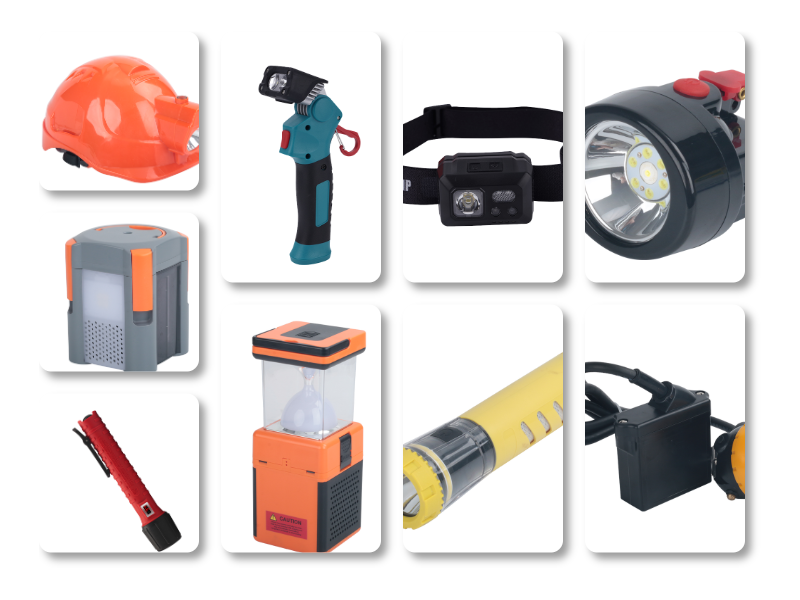

    mining tactical flashlight manufacturer in China

  • Understanding the Bistable Relay: A Comprehensive Guide

      The relay is an essential component in electrical and electronic circuits, serving as a switch that controls the flow of electrical current. Among various types of relays, the bistable relay stands out for its unique ability to maintain its state even after the control signal is removed. This article aims to provide a comprehensive guide to the bistable relay, covering its working principle, applications, and advantages.

      **Introduction**

      A bistable relay, also known as a latching relay, is a type of relay that has two stable states: on and off. Unlike conventional relays that require a continuous control signal to maintain their state, bistable relays can retain their state even after the control signal is removed. This unique feature makes them highly suitable for applications where maintaining a state is crucial, such as in industrial automation, security systems, and remote control systems.

      **Working Principle**

      The working principle of a bistable relay is based on the principle of magnetic hysteresis. It consists of a coil, a set of contacts, and a permanent magnet. When the coil is energized, it generates a magnetic field that attracts the armature, causing the contacts to change state. Once the coil is de-energized, the permanent magnet holds the armature in the new state, ensuring that the relay remains in that state until the next control signal is applied.

      The bistable relay has two sets of contacts: normally open (NO) and normally closed (NC). In the de-energized state, the NO contacts are closed, and the NC contacts are open. When the coil is energized, the NO contacts open, and the NC contacts close. This change in state is maintained even after the coil is de-energized.

      **Applications**

      Bistable relays find applications in various fields due to their unique ability to maintain their state. Some common applications include:

      1. Industrial Automation: Bistable relays are widely used in industrial automation systems for controlling machinery and equipment. They ensure that the machinery remains in the desired state even during power outages or other disruptions.

      2. Security Systems: Bistable relays are used in security systems to control access to restricted areas. They can be used to lock or unlock doors, activate alarms, or trigger other security measures.

      3. Remote Control Systems: Bistable relays are used in remote control systems to maintain the state of the controlled device even when the control signal is not present. This is particularly useful in applications where the control signal may be interrupted or lost.

      4. Power Distribution: Bistable relays are used in power distribution systems to control the flow of electrical current. They ensure that the system remains in the desired state even during power outages or other disruptions.

      **Advantages**

      Bistable relays offer several advantages over conventional relays, making them a preferred choice for many applications. Some of the key advantages include:

      1. Energy Efficiency: Bistable relays require less energy to maintain their state compared to conventional relays, making them more energy-efficient.

      2. Reliability: The ability to maintain their state even after the control signal is removed makes bistable relays highly reliable, ensuring consistent performance in critical applications.

      3. Space-Saving: Bistable relays are compact and require less space compared to conventional relays, making them suitable for applications with limited space.

      4. Cost-Effective: Bistable relays are cost-effective due to their long lifespan and low maintenance requirements.

      **Conclusion**

      In conclusion, the bistable relay is a versatile and reliable component that offers several advantages over conventional relays. Its ability to maintain its state even after the control signal is removed makes it suitable for a wide range of applications, including industrial automation, security systems, and remote control systems. As technology continues to evolve, the demand for bistable relays is expected to grow, making them an essential component in modern electrical and electronic systems.

    Bistable relay

  • The Versatile and Essential Role of Wiring Ducts in Modern Construction

      Wiring ducts are an integral part of modern construction, providing a crucial role in the safe and efficient installation of electrical wiring. This article delves into the importance of wiring ducts, their types, benefits, and the best practices for their installation.

      **Introduction**

      Electrical systems are the backbone of any modern building, whether it is a residential, commercial, or industrial space. The proper installation of electrical wiring is essential to ensure safety, reliability, and compliance with building codes. Wiring ducts play a pivotal role in this process, offering a structured and organized approach to electrical wiring. In this article, we will explore the significance of wiring ducts, their various types, and the benefits they bring to modern construction.

      **Types of Wiring Ducts**

      Wiring ducts come in various types, each designed to cater to different electrical wiring needs. The most common types include:

      1. **Conduit**: Conduits are rigid pipes made of materials such as PVC, steel, or aluminum. They are used to protect electrical wires from damage and to facilitate the installation of additional wires in the future.

      2. **Flex Duct**: Flex ducts are flexible hoses made of materials such as PVC or rubber. They are ideal for applications where the wiring needs to be moved or adjusted frequently.

      3. **Rigid Duct**: Rigid ducts are similar to conduits but are more rigid and less flexible. They are suitable for applications where the wiring is not expected to move.

      4. **Surface Raceway**: Surface raceways are used to install electrical wiring on walls, ceilings, or floors. They are available in various shapes and sizes to accommodate different wiring needs.

      **Benefits of Wiring Ducts**

      The use of wiring ducts offers several benefits in modern construction:

      1. **Safety**: Wiring ducts protect electrical wires from damage, reducing the risk of electrical fires and accidents.

      2. **Ease of Installation**: Wiring ducts simplify the installation process, making it easier to run wires through walls, floors, and ceilings.

      3. **Flexibility**: Wiring ducts allow for easy modifications and upgrades to the electrical system, ensuring that the building remains up-to-date with changing technology.

      4. **Compliance**: The use of wiring ducts ensures that the electrical system complies with local building codes and regulations.

      5. **Aesthetics**: Wiring ducts contribute to a clean and organized appearance of the electrical system, enhancing the overall aesthetic of the building.

      **Best Practices for Wiring Duct Installation**

      To ensure the effective use of wiring ducts, it is essential to follow these best practices:

      1. **Plan Ahead**: Before beginning the installation, plan the layout of the wiring ducts to ensure they meet the building’s electrical needs.

      2. **Choose the Right Type**: Select the appropriate type of wiring duct based on the specific application and the electrical system’s requirements.

      3. **Proper Installation**: Ensure that the wiring ducts are installed correctly, following the manufacturer’s instructions and local building codes.

      4. **Quality Materials**: Use high-quality wiring ducts and materials to ensure the durability and reliability of the electrical system.

      5. **Regular Maintenance**: Regularly inspect and maintain the wiring ducts to identify and address any potential issues before they become problems.

      **Conclusion**

      Wiring ducts are an essential component of modern construction, offering numerous benefits in terms of safety, efficiency, and compliance. By understanding the different types of wiring ducts and following best practices for their installation, builders and electricians can ensure that the electrical system of a building is both reliable and adaptable to future needs.

    wiring duct

  • China Intrinsic Safe Flashlight Supplier: Your Ultimate Guide to Safe Lighting Solutions

      In today’s fast-paced world, safety is paramount, especially in industries where flammable materials are present. One essential tool that ensures safety in such environments is the intrinsic safe flashlight. If you are looking for a reliable China intrinsic safe flashlight supplier, this article is for you. We will explore the importance of intrinsic safe flashlights, the qualities to look for in a supplier, and how to choose the right one for your needs.

      **Introduction**

      Intrinsic safety is a critical concept in industries such as oil and gas, mining, and chemical processing. It refers to the design and construction of equipment that minimizes the risk of fire and explosion. An intrinsic safe flashlight is a vital piece of equipment that allows workers to perform their tasks safely in hazardous environments. China, being a leading manufacturer of electrical and electronic products, offers a wide range of intrinsic safe flashlights. However, finding a reliable supplier can be challenging. This article will guide you through the process of selecting the right China intrinsic safe flashlight supplier.

      **Why Intrinsic Safe Flashlights Are Important**

      In environments where flammable gases, vapors, or dust are present, traditional flashlights can pose a significant risk. An intrinsic safe flashlight, on the other hand, is designed to prevent the ignition of flammable substances. These flashlights have several key features that make them safer:

      1. **Limited Energy Source**: Intrinsic safe flashlights use a limited energy source, such as a battery, which reduces the risk of fire and explosion.
    2. **Low Surface Temperature**: The flashlight’s surface temperature remains low, minimizing the risk of igniting flammable materials.
    3. **No Spark Generation**: These flashlights are designed to prevent the generation of sparks, which can ignite flammable substances.

      **Qualities to Look for in a China Intrinsic Safe Flashlight Supplier**

      When selecting a China intrinsic safe flashlight supplier, it is crucial to consider the following qualities:

      1. **Certifications and Compliance**: Ensure that the supplier’s products comply with relevant safety standards, such as IECEx, ATEX, and UL.
    2. **Quality Control**: A reputable supplier will have a robust quality control process to ensure that their products meet the highest safety standards.
    3. **Experience**: Look for a supplier with a proven track record in the industry, as they are more likely to understand your specific needs.
    4. **Customer Service**: A reliable supplier will offer excellent customer service, including technical support and after-sales service.

      **How to Choose the Right China Intrinsic Safe Flashlight Supplier**

      To choose the right China intrinsic safe flashlight supplier, follow these steps:

      1. **Research**: Start by researching potential suppliers online. Look for reviews and testimonials from other customers.
    2. **Request Samples**: Request samples of the intrinsic safe flashlights to evaluate their quality and performance.
    3. **Compare Prices**: Compare prices from different suppliers to ensure you are getting the best value for your money.
    4. **Contact the Supplier**: Contact the supplier to discuss your specific needs and ensure they can meet your requirements.
    5. **Finalize the Purchase**: Once you have selected a supplier, finalize the purchase and ensure that all necessary documentation is in place.

      **Conclusion**

      Intrinsic safe flashlights are essential tools for ensuring safety in hazardous environments. When selecting a China intrinsic safe flashlight supplier, it is crucial to consider their certifications, quality control processes, experience, and customer service. By following the steps outlined in this article, you can choose the right supplier and ensure that your workers are safe in the field.

    China intrinsically safe flashlight supplier

  • The Versatile Miniature Relay: A Compact Solution for Modern Electrical Systems

      The miniature relay, a compact and efficient electrical switching device, has become an indispensable component in modern electrical systems. This article explores the significance of miniature relays, their working principles, applications, and advantages over traditional relays.

      **Introduction**

      Electrical systems require reliable and efficient switching devices to control the flow of electrical current. Over the years, various types of relays have been developed to cater to different applications. Among them, the miniature relay stands out for its compact size, high performance, and versatility. This article aims to provide an overview of miniature relays, their working principles, and their applications in various industries.

      **What is a Miniature Relay?**

      A miniature relay is a type of relay that is designed to handle low current and voltage applications. Unlike traditional relays, which are larger in size and heavier, miniature relays are compact and lightweight. They are available in various configurations, including coil voltage, contact arrangement, and contact material.

      **Working Principles of Miniature Relays**

      Miniature relays operate based on the principle of electromagnetic induction. When an electrical current passes through the relay coil, it generates a magnetic field. This magnetic field attracts the armature, which in turn closes or opens the contacts. The contacts are responsible for switching the electrical current between the coil and the load.

      **Applications of Miniature Relays**

      Miniature relays find applications in various industries, including automotive, aerospace, consumer electronics, and industrial automation. Some of the common applications include:

      1. **Automotive Industry**: Miniature relays are used in automotive systems for controlling the flow of electrical current in various applications, such as lighting, air conditioning, and engine management systems.

      2. **Aerospace Industry**: In aerospace applications, miniature relays are used for controlling the flow of electrical current in avionics systems, flight control systems, and navigation systems.

      3. **Consumer Electronics**: Miniature relays are used in consumer electronics devices, such as smartphones, laptops, and televisions, for controlling the flow of electrical current in various circuits.

      4. **Industrial Automation**: In industrial automation, miniature relays are used for controlling the flow of electrical current in various machines and equipment, such as motors, sensors, and actuators.

      **Advantages of Miniature Relays**

      Miniature relays offer several advantages over traditional relays, including:

      1. **Compact Size**: Miniature relays are compact and lightweight, making them ideal for space-constrained applications.

      2. **High Performance**: Miniature relays offer high switching speeds and low power consumption, ensuring efficient operation.

      3. **Versatility**: Miniature relays are available in various configurations, making them suitable for a wide range of applications.

      4. **Reliability**: Miniature relays are designed for long-term operation, ensuring reliable performance in harsh environments.

      **Conclusion**

      The miniature relay has emerged as a crucial component in modern electrical systems due to its compact size, high performance, and versatility. As technology continues to advance, the demand for miniature relays is expected to grow, making them an essential part of various industries. Understanding the working principles and applications of miniature relays can help engineers and designers make informed decisions when selecting the right switching device for their specific needs.

    Miniature relay

  • Understanding Wiring Conduct: A Comprehensive Guide

      Wiring conduct, a term that often goes unnoticed, plays a crucial role in the functionality and safety of electrical systems. In this comprehensive guide, we will delve into the concept of wiring conduct, its importance, types, and the factors that influence its performance.

      **Introduction**

      Electrical systems are an integral part of our daily lives, from the smallest household appliances to the largest industrial machinery. The heart of these systems lies in the conductive materials used for wiring. Wiring conduct refers to the material used to carry electrical current from one point to another. It is essential to understand the properties and characteristics of wiring conduct to ensure the efficiency, safety, and reliability of electrical systems.

      **The Importance of Wiring Conduct**

      The choice of wiring conduct is crucial for several reasons. Firstly, it directly impacts the efficiency of the electrical system. The material used for wiring should have a low resistance to minimize power losses. Secondly, it affects the safety of the system. The conductive material should be able to withstand high temperatures and stresses without melting or breaking. Lastly, it influences the longevity of the system. A durable and suitable wiring conduct can significantly extend the life of electrical equipment.

      **Types of Wiring Conduct**

      There are several types of wiring conduct used in electrical systems, each with its unique properties and applications. The most common types include:

      1. **Copper Conductors**: Copper is the most widely used material for wiring due to its excellent conductivity, flexibility, and durability. It is suitable for a wide range of applications, from residential to industrial settings.

      2. **Aluminum Conductors**: Aluminum is another popular choice for wiring, especially in larger electrical systems. It is lighter and more cost-effective than copper but has lower conductivity. Aluminum conductors are commonly used in overhead power lines and transmission systems.

      3. **Tinned Copper Conductors**: Tinned copper conductors are coated with a thin layer of tin to improve their resistance to corrosion. This type of conductor is often used in marine and outdoor applications.

      4. **Copper Clad Aluminum Conductors (CCA)**: CCA conductors combine the benefits of copper and aluminum. They have a copper core surrounded by an aluminum conductor, offering improved conductivity and flexibility compared to pure aluminum conductors.

      **Factors Influencing Wiring Conduct Performance**

      Several factors influence the performance of wiring conduct, including:

      1. **Conductivity**: The material’s ability to conduct electricity is its most critical property. Conductivity is measured in siemens per meter (S/m) and is influenced by the material’s atomic structure.

      2. **Resistance**: The resistance of a conductor is the opposition it offers to the flow of electrical current. Resistance is inversely proportional to conductivity and is measured in ohms (Ω).

      3. **Temperature Coefficient**: The temperature coefficient of a material describes how its resistance changes with temperature. A low temperature coefficient is desirable for stable performance.

      4. **Flexibility**: The flexibility of a conductor is essential for ease of installation and maintenance. Flexible conductors can be bent and twisted without breaking.

      5. **Durability**: The durability of a conductor is its ability to withstand environmental factors such as heat, moisture, and corrosion.

      **Conclusion**

      Wiring conduct is a critical component of electrical systems, and understanding its properties and characteristics is essential for the efficient and safe operation of these systems. By selecting the appropriate wiring conduct based on the specific application and environmental conditions, we can ensure the longevity and reliability of our electrical systems.

    wiring conduct

  • High Lumen Explosion Proof Flashlight Bulk Order in China: A Comprehensive Guide

      In today’s fast-paced world, safety and reliability are paramount, especially in industries such as mining, oil and gas, and chemical processing. One essential tool that plays a crucial role in ensuring safety is the explosion-proof flashlight. If you are looking to place a bulk order for high lumen explosion-proof flashlights in China, this comprehensive guide will provide you with all the necessary information to make an informed decision.

      **Introduction**

      Explosion-proof flashlights are designed to operate in environments where flammable gases or vapors may be present. These flashlights are built with special materials and features that prevent the ignition of sparks, ensuring the safety of workers in hazardous areas. With the increasing demand for high-quality explosion-proof equipment, China has become a leading exporter of these flashlights. This article will delve into the details of placing a bulk order for high lumen explosion-proof flashlights in China.

      **Understanding High Lumen Explosion Proof Flashlights**

      High lumen explosion-proof flashlights are designed to provide a brighter and more focused beam compared to traditional models. This is achieved by using advanced LED technology, which offers higher luminosity and energy efficiency. When choosing high lumen explosion-proof flashlights, consider the following factors:

      1. **Lumen Output**: The higher the lumen output, the brighter the flashlight. Ensure that the flashlight meets your specific brightness requirements.
    2. **Battery Life**: Long-lasting batteries are crucial for continuous operation in hazardous areas. Look for flashlights with rechargeable batteries or long-lasting alkaline batteries.
    3. **Water and Dust Resistance**: Choose flashlights that are water and dust-resistant, as these features enhance the durability and lifespan of the flashlight.
    4. **Size and Weight**: A compact and lightweight flashlight is easier to carry and handle, making it more convenient for workers.

      **Finding Reliable Suppliers in China**

      When placing a bulk order for high lumen explosion-proof flashlights in China, it is essential to work with reliable suppliers. Here are some tips to help you find the right supplier:

      1. **Research Online**: Utilize online platforms like Alibaba, Made-in-China, and Global Sources to find potential suppliers. Read reviews and ratings from other buyers to gauge the supplier’s reputation.
    2. **Attend Trade Shows**: Participate in industry trade shows and exhibitions in China to meet potential suppliers and evaluate their products firsthand.
    3. **Request Samples**: Request samples to assess the quality and performance of the flashlights before placing a bulk order.
    4. **Check Certifications**: Ensure that the suppliers have the necessary certifications, such as CE, RoHS, and IECEx, to guarantee the quality and safety of the flashlights.

      **Negotiating Bulk Orders**

      Once you have identified a reliable supplier, it is time to negotiate the terms of your bulk order. Here are some tips to help you secure the best deal:

      1. **Compare Prices**: Obtain quotes from multiple suppliers and compare the prices, including shipping and handling costs.
    2. **Negotiate Discounts**: Don’t hesitate to negotiate for discounts, especially if you are placing a large order.
    3. **Discuss Payment Terms**: Ensure that the payment terms are favorable and agreeable to both parties.
    4. **Set Clear Delivery Dates**: Establish clear delivery dates and deadlines to ensure timely delivery of the flashlights.

      **Conclusion**

      Placing a bulk order for high lumen explosion-proof flashlights in China requires careful planning and research. By understanding the features of these flashlights, finding reliable suppliers, and negotiating favorable terms, you can ensure a successful purchase. Remember to prioritize safety and quality when selecting explosion-proof equipment for your business.

    high lumen explosion proof flashlight bulk order in China

  • The Advancements and Applications of Low-power Relays

      Low-power relays have emerged as a crucial component in various industries due to their energy-efficient and reliable performance. This article delves into the advancements made in low-power relay technology, their applications, and the benefits they offer over traditional relays.

      **Introduction**

      In today’s world, where energy conservation and sustainability are paramount, low-power relays have gained significant attention. These relays are designed to minimize power consumption while ensuring optimal performance. This article explores the evolution of low-power relay technology, its applications, and the advantages it brings to different industries.

      **Evolution of Low-power Relay Technology**

      The evolution of low-power relay technology has been driven by the need for energy-efficient solutions. Initially, relays were large and consumed a considerable amount of power. However, advancements in materials and design have led to the development of low-power relays that are compact, reliable, and energy-efficient.

      One of the key advancements in low-power relay technology is the use of solid-state relays (SSRs). SSRs use semiconductor devices like transistors and thyristors instead of mechanical contacts, which reduces power consumption and wear and tear. This has made SSRs a popular choice in various applications.

      **Applications of Low-power Relays**

      Low-power relays find extensive applications in various industries, including:

      1. **Automotive Industry**: Low-power relays are used in automotive systems for controlling electrical components like lights, wipers, and door locks. Their energy-efficient design ensures optimal performance while reducing power consumption.

      2. **Industrial Automation**: In industrial automation, low-power relays are used for controlling motors, sensors, and other electrical devices. Their reliable performance and energy-efficient design make them ideal for industrial applications.

      3. **Home Appliances**: Low-power relays are used in home appliances like refrigerators, washing machines, and air conditioners. Their energy-efficient design helps in reducing electricity bills and conserving energy.

      4. **Telecommunications**: In the telecommunications industry, low-power relays are used for signal switching and routing. Their compact size and reliable performance make them suitable for use in telecommunication equipment.

      **Benefits of Low-power Relays**

      Low-power relays offer several benefits over traditional relays, including:

      1. **Energy Efficiency**: Low-power relays consume less energy, making them an ideal choice for energy conservation and sustainability initiatives.

      2. **Reliability**: Solid-state relays, in particular, offer higher reliability due to the absence of mechanical contacts. This reduces wear and tear, leading to a longer lifespan.

      3. **Compact Size**: Low-power relays are compact and lightweight, making them suitable for use in space-constrained applications.

      4. **Low Maintenance**: The absence of mechanical contacts in solid-state relays reduces maintenance requirements, leading to cost savings.

      **Conclusion**

      Low-power relays have revolutionized the way we approach energy-efficient and reliable electrical control solutions. With their numerous applications and benefits, low-power relays are set to play a crucial role in shaping the future of various industries. As technology continues to advance, we can expect further improvements in low-power relay technology, making them even more efficient and reliable.

    Low-power relay

  • The Versatile and Durable PVC Wiring Duct: A Comprehensive Guide

      The PVC wiring duct, also known as the polyvinyl chloride wiring duct, has become an indispensable component in modern electrical installations. This article aims to provide a comprehensive guide to PVC wiring ducts, covering their uses, benefits, installation, and maintenance.

      **Introduction**

      Electrical installations are a crucial part of any building, whether residential, commercial, or industrial. Ensuring the safety and efficiency of these installations is paramount. One of the key components in this process is the wiring duct, which provides a protective pathway for electrical cables. Among the various types of wiring ducts available, the PVC wiring duct stands out for its versatility, durability, and ease of installation.

      **What is a PVC Wiring Duct?**

      A PVC wiring duct is a hollow tube made of polyvinyl chloride (PVC), a thermoplastic material known for its flexibility, durability, and resistance to chemicals and corrosion. These ducts are designed to house electrical cables, providing a safe and organized pathway for the conductors.

      **Uses of PVC Wiring Ducts**

      PVC wiring ducts are used in a wide range of applications, including:

      1. Residential buildings: PVC ducts are commonly used in homes for the installation of electrical cables, ensuring a clean and organized electrical system.
    2. Commercial buildings: In offices, shops, and other commercial spaces, PVC ducts provide a safe and efficient way to route electrical cables.
    3. Industrial settings: PVC ducts are ideal for industrial applications, where they can withstand harsh environments and heavy loads.
    4. Outdoor installations: The durability of PVC makes it suitable for outdoor wiring, protecting cables from weather and environmental damage.

      **Benefits of PVC Wiring Ducts**

      There are several benefits to using PVC wiring ducts:

      1. **Durability**: PVC is a highly durable material that can withstand harsh conditions, including temperature extremes and exposure to chemicals.
    2. **Versatility**: PVC wiring ducts come in various sizes, shapes, and colors, making them suitable for a wide range of applications.
    3. **Ease of installation**: PVC ducts are easy to install, requiring minimal tools and expertise.
    4. **Cost-effective**: PVC is a cost-effective material, making PVC wiring ducts a budget-friendly choice for electrical installations.
    5. **Safety**: PVC wiring ducts provide a protective barrier for electrical cables, reducing the risk of fire and electrical hazards.

      **Installation of PVC Wiring Ducts**

      Installing PVC wiring ducts is a straightforward process. Here are the basic steps:

      1. Plan the layout: Determine the route for the cables and mark the locations for the ducts.
    2. Cut the ducts: Measure and cut the PVC ducts to the required length.
    3. Install the ducts: Push the ducts into place along the marked route, ensuring they are securely fastened to the walls or ceiling.
    4. Connect the cables: Route the electrical cables through the ducts and secure them in place.

      **Maintenance of PVC Wiring Ducts**

      Proper maintenance of PVC wiring ducts is essential to ensure their longevity and effectiveness. Here are some tips:

      1. Regularly inspect the ducts for signs of damage or wear.
    2. Keep the ducts clean and free of debris.
    3. Avoid exposing the ducts to extreme temperatures or chemicals.
    4. Replace any damaged or worn-out ducts promptly.

      **Conclusion**

      The PVC wiring duct is a versatile and durable solution for electrical installations. Its ease of installation, cost-effectiveness, and safety features make it an ideal choice for a wide range of applications. By following proper installation and maintenance procedures, you can ensure the longevity and effectiveness of your PVC wiring ducts.

    PVC wiring duct

  • Explosion Proof Rechargeable Torch OEM China: A Game-Changer for Industrial Safety

      In the ever-evolving landscape of industrial safety, the demand for reliable and efficient lighting solutions has never been higher. Enter the explosion proof rechargeable torch OEM China, a revolutionary product that is reshaping the way workers illuminate hazardous environments. This article delves into the significance of explosion proof rechargeable torches, their benefits, and why they are becoming the preferred choice for OEMs in China.

      The Need for Explosion Proof Lighting

      Industrial settings often involve the presence of flammable gases, vapors, and dust, making them inherently dangerous. Traditional lighting solutions, such as open-flame lamps, can pose a significant risk of causing explosions or fires. To mitigate this risk, explosion proof lighting has become a necessity in industries like oil and gas, chemical processing, and mining.

      The Rise of Explosion Proof Rechargeable Torches

      Explosion proof rechargeable torches have emerged as a game-changer in the field of industrial safety. These torches are designed to operate in environments where the risk of ignition is high, ensuring the safety of workers while providing them with the illumination they need to perform their tasks efficiently.

      Key Features of Explosion Proof Rechargeable Torches

      1. Intrinsically Safe Design: Explosion proof rechargeable torches are designed to prevent the ignition of flammable gases or vapors. They achieve this by using intrinsically safe electrical components and ensuring that no sparks or heat can be generated during operation.

      2. Long Battery Life: These torches come equipped with high-capacity rechargeable batteries that provide extended runtime. This feature is particularly beneficial in environments where access to power outlets is limited or non-existent.

      3. Versatile Lighting Options: Explosion proof rechargeable torches offer a range of lighting options, including focused beams, floodlights, and red beams for night vision. This versatility allows workers to adjust the lighting to their specific needs.

      4. Durable Construction: These torches are built to withstand harsh conditions, including extreme temperatures, humidity, and impact. This durability ensures that the torches remain functional even in the most challenging environments.

      Benefits of Choosing Explosion Proof Rechargeable Torch OEM China

      1. Cost-Effective: By opting for explosion proof rechargeable torch OEM China, companies can benefit from competitive pricing and bulk discounts. This makes these torches an affordable solution for businesses looking to enhance their safety equipment.

      2. Customization: OEMs in China offer customization options, allowing companies to tailor the torches to their specific requirements. This includes branding, battery life, and lighting options.

      3. Quality Assurance: Chinese OEMs are known for their commitment to quality. They adhere to strict industry standards and use high-quality materials to ensure that the torches meet the highest safety and performance criteria.

      4. Prompt Delivery: With state-of-the-art manufacturing facilities and efficient supply chains, Chinese OEMs can deliver explosion proof rechargeable torches quickly, minimizing downtime for businesses.

      Conclusion

      As the demand for reliable and efficient lighting solutions in hazardous environments continues to grow, explosion proof rechargeable torches are becoming the go-to choice for businesses worldwide. With their intrinsically safe design, long battery life, and versatile lighting options, these torches offer a comprehensive solution for industrial safety. By choosing explosion proof rechargeable torch OEM China, companies can benefit from cost-effective, customized, and high-quality lighting solutions that meet their specific needs.

    explosion proof rechargeable torch OEM China
