Category: Industry News

  • Wiring Duct for Smart Factory Automation: The Backbone of Modern Manufacturing

      In the rapidly evolving landscape of industrial automation, the role of wiring duct for smart factory automation cannot be overstated. As the backbone of modern manufacturing processes, wiring ducts play a crucial role in ensuring seamless operations, improved efficiency, and enhanced safety. This article delves into the significance of wiring ducts in smart factory automation, their types, and the factors to consider when selecting the right duct for your facility.

      **Introduction**

      The advent of smart factory automation has revolutionized the manufacturing industry, bringing about increased productivity, reduced costs, and improved product quality. At the heart of this transformation lies the intricate network of wiring ducts that facilitate the flow of data and power across the factory floor. In this article, we will explore the importance of wiring ducts in smart factory automation, their types, and the key factors to consider when choosing the right duct for your facility.

      **The Significance of Wiring Ducts in Smart Factory Automation**

      Wiring ducts are essential components in smart factory automation as they provide a structured and organized pathway for electrical cables and wiring. This structured approach offers several benefits:

      1. **Improved Safety**: By containing and protecting electrical cables, wiring ducts reduce the risk of accidents and injuries caused by exposed wires.
    2. **Enhanced Efficiency**: A well-organized wiring system ensures that machines and equipment operate smoothly, reducing downtime and improving overall efficiency.
    3. **Scalability**: As manufacturing processes evolve, wiring ducts can be easily modified and expanded to accommodate new equipment and systems.
    4. **Cost-Effectiveness**: By reducing the risk of equipment damage and downtime, wiring ducts contribute to cost savings in the long run.

      **Types of Wiring Ducts**

      There are various types of wiring ducts available for smart factory automation, each designed to cater to specific requirements:

      1. **Flexible Wiring Ducts**: These ducts are ideal for environments where cables need to be moved frequently or where there is a risk of vibration and shock.
    2. **Rigid Wiring Ducts**: Suitable for fixed installations, rigid wiring ducts provide a stable and durable solution for protecting cables.
    3. **Concealed Wiring Ducts**: These ducts are installed within walls or ceilings, offering a clean and aesthetically pleasing appearance while protecting cables.
    4. **Surface-Mounted Wiring Ducts**: Ideal for environments where space is limited, surface-mounted wiring ducts provide an easy and efficient way to route cables.

      **Factors to Consider When Choosing Wiring Ducts**

      When selecting wiring ducts for smart factory automation, several factors should be considered to ensure optimal performance and longevity:

      1. **Material**: The material of the wiring duct should be resistant to corrosion, chemicals, and extreme temperatures.
    2. **Load Capacity**: Ensure that the duct can accommodate the weight of the cables and any additional components.
    3. **Fire Resistance**: Choose a wiring duct that meets the necessary fire safety standards for your facility.
    4. **Ease of Installation**: Opt for a duct that is easy to install and maintain, reducing downtime and labor costs.

      **Conclusion**

      Wiring ducts for smart factory automation are a critical component in modern manufacturing processes. By providing a structured and organized pathway for electrical cables and wiring, these ducts contribute to improved safety, efficiency, and scalability. When selecting the right wiring duct for your facility, consider factors such as material, load capacity, fire resistance, and ease of installation. By investing in high-quality wiring ducts, you can ensure a smooth and efficient operation of your smart factory automation systems.

    wiring duct for smart factory automation

  • China Explosion Proof LED Tactical Flashlight Exporter: A Beacon of Safety and Innovation

      In the realm of emergency lighting solutions, the demand for explosion-proof LED tactical flashlights has surged. As a leading China explosion proof LED tactical flashlight exporter, we take pride in offering cutting-edge lighting solutions that prioritize safety and reliability. This article delves into the world of explosion-proof LED tactical flashlights, highlighting the role of China as a major exporter and the innovative technologies driving this market.

      **Introduction**

      Explosion-proof LED tactical flashlights are designed to operate in environments where flammable gases, vapors, or dust may be present. These flashlights are crucial in industries such as oil and gas, mining, and chemical processing, where safety is paramount. China, as a global manufacturing powerhouse, has emerged as a significant exporter of these essential lighting solutions. In this article, we explore the factors contributing to China’s prominence in the explosion-proof LED tactical flashlight market and the technological advancements shaping this industry.

      **The Rise of China as an Exporter**

      China’s dominance in the global market for explosion-proof LED tactical flashlights can be attributed to several key factors:

      1. **Cost-Effective Manufacturing**: China’s extensive manufacturing infrastructure and skilled workforce enable the production of high-quality flashlights at competitive prices. This cost-effectiveness makes Chinese explosion-proof LED tactical flashlights an attractive option for buyers worldwide.

      2. **Innovation and Technology**: Chinese manufacturers are at the forefront of LED technology, continuously improving the performance and lifespan of explosion-proof LED tactical flashlights. This commitment to innovation ensures that Chinese products meet the highest safety standards and exceed customer expectations.

      3. **Quality Control**: Despite the competitive pricing, Chinese exporters maintain strict quality control measures to ensure that their products meet international safety standards. This focus on quality has earned China a reputation for reliable and durable explosion-proof LED tactical flashlights.

      **Technological Advancements**

      The explosion-proof LED tactical flashlight market is witnessing several technological advancements, driven by Chinese exporters:

      1. **High-Intensity LED Lighting**: Modern explosion-proof LED tactical flashlights offer high-intensity lighting, providing users with exceptional visibility in low-light or no-light conditions. This feature is particularly crucial in hazardous environments where visibility can be a matter of life and death.

      2. **Long-Life Batteries**: Chinese manufacturers are investing in long-life battery technology, ensuring that explosion-proof LED tactical flashlights can operate for extended periods without the need for frequent recharging or battery replacement.

      3. **Waterproof and Dustproof Designs**: To enhance durability and reliability, Chinese exporters are developing waterproof and dustproof explosion-proof LED tactical flashlights. These designs protect the flashlight from environmental hazards, ensuring consistent performance in challenging conditions.

      **Conclusion**

      As a China explosion proof LED tactical flashlight exporter, we are committed to providing innovative and reliable lighting solutions that prioritize safety. With our cost-effective manufacturing, cutting-edge technology, and unwavering focus on quality, we continue to be a trusted supplier of these essential lighting solutions worldwide. As the demand for explosion-proof LED tactical flashlights grows, China’s role as a leading exporter will undoubtedly expand, making it a beacon of safety and innovation in the global market.

    China explosion proof LED tactical flashlight exporter

  • The Evolution and Importance of Relay Manufacturing

      Relay manufacturing has been an integral part of the electrical industry for over a century. From its humble beginnings to its current state-of-the-art technology, the relay has played a crucial role in the development of various industries. This article delves into the evolution of relay manufacturing, its significance in modern society, and the future trends that are shaping the industry.

      The Early Days of Relay Manufacturing

      The concept of the relay dates back to the early 19th century when inventors like Charles Wheatstone and William Sturgeon began experimenting with electromagnetic devices. However, it was in the late 19th century that the relay was first introduced as a practical device for controlling electrical circuits.

      The first commercial relays were simple electromagnetic switches that were used to control the flow of electricity in telegraph systems. These early relays were made of copper wire, iron cores, and a set of contacts that would open or close the circuit when an electromagnetic force was applied.

      The Evolution of Relay Technology

      Over the years, relay technology has evolved significantly. The development of new materials, such as silver and gold, has improved the conductivity and durability of relay contacts. Additionally, the introduction of solid-state relays (SSRs) has revolutionized the industry by replacing mechanical contacts with electronic switches.

      Solid-state relays offer several advantages over traditional mechanical relays, including:

      1. Increased reliability: SSRs have no moving parts, which means they are less prone to wear and tear.
    2. Faster response time: SSRs can switch on and off much faster than mechanical relays.
    3. Improved energy efficiency: SSRs consume less power than mechanical relays.

      The Significance of Relay Manufacturing in Modern Society

      Relays are used in a wide range of applications across various industries, making them an essential component of modern society. Some of the key areas where relay manufacturing plays a crucial role include:

      1. Automation: Relays are used in industrial automation systems to control the flow of electricity and ensure the smooth operation of machinery.
    2. Power distribution: Relays are used in power distribution systems to protect electrical equipment from overloads and short circuits.
    3. Home appliances: Relays are used in various home appliances, such as washing machines, refrigerators, and air conditioners, to control the flow of electricity.
    4. Telecommunications: Relays are used in telecommunication systems to route calls and data packets.

      Future Trends in Relay Manufacturing

      The relay manufacturing industry is continuously evolving, and several trends are shaping the future of the industry:

      1. Miniaturization: As technology advances, the demand for smaller, more efficient relays is increasing. This trend is driven by the need for compact and energy-efficient devices in various applications.
    2. Smart relays: The integration of sensors and microcontrollers into relays is enabling the development of smart relays that can provide real-time data and control.
    3. Customization: As the demand for specialized applications increases, relay manufacturers are focusing on providing customized solutions to meet specific customer requirements.

      Conclusion

      Relay manufacturing has come a long way since its inception. From simple electromagnetic switches to sophisticated solid-state relays, the relay has played a crucial role in the development of various industries. As technology continues to advance, the relay manufacturing industry is expected to evolve further, offering innovative solutions to meet the ever-growing demands of modern society.

    Relay manufacturing

  • Innovative Wiring Duct Solutions for Rail Transit Systems

      The development of rail transit systems has been a cornerstone of urban transportation, offering efficient, reliable, and eco-friendly alternatives to traditional modes of transportation. One of the critical components of these systems is the wiring duct, which plays a vital role in ensuring the smooth operation of trains and the safety of passengers. This article delves into the innovative solutions for wiring ducts in rail transit systems, highlighting their importance, design considerations, and future trends.

      **Introduction**

      Rail transit systems are complex networks of tracks, stations, and signaling systems that require meticulous planning and execution. Among the numerous components that make up these systems, the wiring duct stands out as a crucial element. It serves as a conduit for electrical cables, providing power and communication lines for the trains and the infrastructure. Ensuring the integrity and reliability of these wiring ducts is essential for the smooth operation of rail transit systems.

      **The Importance of Wiring Ducts in Rail Transit Systems**

      Wiring ducts are responsible for several critical functions in rail transit systems:

      1. **Power Supply**: Wiring ducts provide the necessary electrical power to run trains and operate the signaling systems. Ensuring a stable and uninterrupted power supply is crucial for the safety and efficiency of the system.

      2. **Communication Lines**: These ducts also house communication cables, enabling the exchange of data between trains, stations, and control centers. This facilitates real-time monitoring and control of the system.

      3. **Safety**: Properly designed wiring ducts contribute to the safety of passengers and maintenance personnel. They protect the cables from external factors such as environmental conditions and physical damage.

      **Design Considerations for Wiring Ducts**

      Designing wiring ducts for rail transit systems requires careful consideration of several factors:

      1. **Material Selection**: The choice of material for wiring ducts is crucial. Materials such as stainless steel, aluminum, and high-density polyethylene are commonly used due to their durability, corrosion resistance, and flexibility.

      2. **Size and Capacity**: The size and capacity of the wiring ducts must be adequate to accommodate the expected number of cables and future expansion. This ensures that the system can adapt to changing needs without requiring extensive modifications.

      3. **Flexibility and Installation**: Wiring ducts should be flexible enough to accommodate the movement of trains and other infrastructure components. This flexibility also simplifies the installation process, making it easier to route cables through complex environments.

      4. **Fire Resistance**: As rail transit systems are often located in confined spaces, fire resistance is a critical consideration. Wiring ducts made from fire-resistant materials can help mitigate the risk of fire-related incidents.

      **Innovative Solutions for Wiring Ducts**

      Several innovative solutions have emerged to enhance the performance and reliability of wiring ducts in rail transit systems:

      1. **Modular Design**: Modular wiring ducts allow for easy installation, maintenance, and replacement of components. This design approach simplifies the expansion and upgrades of rail transit systems.

      2. **Smart Ducts**: Smart wiring ducts incorporate sensors and communication systems to monitor the condition of cables and detect potential issues in real-time. This enables proactive maintenance and reduces the risk of system failures.

      3. **Recyclable Materials**: The use of recyclable materials in wiring ducts promotes sustainability and reduces the environmental impact of rail transit systems.

      **Future Trends**

      The future of wiring ducts in rail transit systems is likely to be shaped by the following trends:

      1. **Integration with Smart City Technologies**: Wiring ducts will increasingly integrate with other smart city technologies, such as IoT devices and autonomous vehicles, to create a more connected and efficient urban transportation network.

      2. **Advanced Materials**: The development of new materials with improved properties, such as higher strength-to-weight ratios and better thermal conductivity, will enable the creation of more efficient and durable wiring ducts.

      3. **Energy Efficiency**: As the focus on sustainability grows, wiring ducts will be designed to minimize energy consumption and reduce the carbon footprint of rail transit systems.

      In conclusion, wiring ducts are a critical component of rail transit systems, playing a vital role in ensuring the safety, efficiency, and reliability of these networks. As the industry continues to evolve, innovative solutions and design considerations will be essential in meeting the growing demands of urban transportation.

    wiring duct for rail transit

  • Intrinsically Safe Emergency Work Light Bulk China: A Comprehensive Guide

      In today’s fast-paced industrial world, safety is paramount. One crucial aspect of workplace safety is ensuring that emergency lighting is readily available in potentially hazardous environments. This is where intrinsically safe emergency work lights come into play. In this article, we will delve into the world of intrinsically safe emergency work lights, focusing on bulk purchases in China.

      **Understanding Intrinsically Safe Emergency Work Lights**

      Intrinsically safe emergency work lights are designed for use in environments where there is a risk of explosion due to flammable gases, vapors, or dust. These lights are engineered to prevent the ignition of any sparks or heat that could lead to an explosion. This makes them an essential tool in industries such as oil and gas, mining, and chemical processing.

      The key feature of intrinsically safe emergency work lights is their design, which ensures that they do not generate enough heat or electricity to ignite flammable substances. This is achieved through the use of specialized components and construction methods.

      **Benefits of Bulk Purchasing Intrinsically Safe Emergency Work Lights in China**

      1. **Cost-Effective**: Buying in bulk can significantly reduce the cost per unit. This is particularly beneficial for companies that require a large number of emergency work lights for their operations.

      2. **Quality Assurance**: China is known for its high-quality manufacturing capabilities. Bulk purchasing from reputable suppliers ensures that you receive lights that meet international safety standards.

      3. **Customization**: Many Chinese manufacturers offer customization options, allowing you to tailor the emergency work lights to your specific needs, such as branding, color, and additional features.

      4. **Fast Delivery**: With its extensive manufacturing infrastructure, China can provide fast delivery of bulk orders, ensuring that your workplace remains safe and compliant with regulations.

      **How to Choose the Right Intrinsically Safe Emergency Work Light Bulk Purchase in China**

      1. **Safety Standards**: Ensure that the emergency work lights comply with international safety standards, such as IECEx, ATEX, or UL.

      2. **Battery Life**: Look for lights with long-lasting batteries to ensure they provide illumination during power outages or emergencies.

      3. **Light Output**: Choose lights with sufficient brightness to ensure visibility in low-light conditions.

      4. **Durability**: Opt for lights made from high-quality materials that can withstand harsh environments.

      5. **Warranty and Support**: A reliable supplier will offer a warranty and excellent customer support to address any issues that may arise.

      **Conclusion**

      Intrinsically safe emergency work lights are an essential component of workplace safety, especially in hazardous environments. Bulk purchasing from China offers numerous benefits, including cost-effectiveness, quality assurance, customization, and fast delivery. By following the guidelines outlined in this article, you can ensure that your workplace remains safe and compliant with regulations.

    intrinsically safe emergency work light bulk China

  • The Essential Role of Relay Suppliers in the Electronics Industry

      The electronics industry is a vast and dynamic sector that relies heavily on various components to create functional devices. One of the most crucial components in this industry is the relay, a device that allows for the control of electrical circuits. This article delves into the essential role of relay suppliers in the electronics industry, highlighting their importance and the factors that make them stand out.

      Introduction:
    Relay suppliers play a pivotal role in the electronics industry by providing the necessary components that enable the functioning of a wide range of devices. From simple household appliances to complex industrial systems, relays are an integral part of the circuitry. This article aims to shed light on the significance of relay suppliers and the factors that contribute to their success in this competitive market.

      The Importance of Relay Suppliers:
    1. Ensuring Quality and Reliability:
    One of the primary roles of relay suppliers is to ensure that the components they provide are of high quality and reliable. This is crucial in the electronics industry, where even a minor fault in a relay can lead to significant consequences, such as device failure or safety hazards.

      2. Meeting Diverse Requirements:
    The electronics industry is diverse, with a wide range of devices and applications requiring different types of relays. Relay suppliers must be able to cater to these varied needs by offering a comprehensive range of relay types, such as mechanical, solid-state, and latching relays, among others.

      3. Cost-Effective Solutions:
    As the electronics industry is cost-sensitive, relay suppliers must provide cost-effective solutions without compromising on quality. This involves sourcing materials and manufacturing processes that offer competitive pricing without sacrificing performance.

      4. Rapid Response and Supply Chain Management:
    In the fast-paced electronics industry, timely delivery of relay components is critical. Relay suppliers must have efficient supply chain management systems to ensure that their customers receive the required components on time, even in large quantities.

      Factors Contributing to Successful Relay Suppliers:
    1. Innovation and R&D:
    Successful relay suppliers invest in research and development to stay ahead of the curve and meet the evolving needs of the electronics industry. This includes developing new relay technologies, improving existing designs, and exploring alternative materials.

      2. Strong Industry Partnerships:
    Building strong relationships with suppliers of raw materials and other component manufacturers is essential for relay suppliers. This collaboration helps in ensuring a steady supply of high-quality materials and components, which in turn contributes to the overall quality of the relays.

      3. Customer Service and Support:
    Excellent customer service and support are key to the success of relay suppliers. This includes providing technical assistance, ensuring on-time delivery, and offering flexible payment options. By prioritizing customer satisfaction, relay suppliers can establish long-term relationships with their clients.

      Conclusion:
    In conclusion, relay suppliers play a vital role in the electronics industry by providing the essential components that enable the functioning of a wide range of devices. Their ability to ensure quality, cater to diverse requirements, offer cost-effective solutions, and manage the supply chain effectively makes them indispensable to the industry. As the electronics industry continues to evolve, relay suppliers that prioritize innovation, partnerships, and customer service will be well-positioned to thrive in this competitive market.

    Relay suppliers

  • Wiring Duct for Power Distribution Panels: A Comprehensive Guide

      In the modern world, electrical power distribution is a critical aspect of any building or infrastructure. Power distribution panels are the heart of this system, ensuring that electricity is safely and efficiently distributed to various outlets and devices. One essential component that plays a significant role in this process is the wiring duct. This article aims to provide a comprehensive guide on wiring ducts for power distribution panels, covering their importance, types, installation, and maintenance.

      **Introduction**

      Wiring ducts are conduits designed to house electrical cables and wires, providing a safe and organized pathway for power distribution. They are an integral part of power distribution panels, ensuring that cables are neatly arranged and protected from external factors such as moisture, dust, and physical damage. This guide will help you understand the importance of wiring ducts, the different types available, and how to install and maintain them effectively.

      **Importance of Wiring Ducts for Power Distribution Panels**

      1. Safety: Wiring ducts help prevent electrical hazards by keeping cables organized and away from potential hazards such as water, fire, and sharp edges.
    2. Efficiency: Properly installed wiring ducts ensure that cables are arranged in a logical and efficient manner, reducing the risk of tripping and improving access to cables for maintenance.
    3. Aesthetics: Neatly arranged cables contribute to a cleaner and more organized electrical system, making it easier to identify and troubleshoot issues.
    4. Protection: Wiring ducts protect cables from physical damage, extending their lifespan and reducing the need for frequent replacements.

      **Types of Wiring Ducts for Power Distribution Panels**

      1. Metal Wiring Ducts: These are made of materials such as steel, aluminum, or copper and are suitable for high-voltage applications. They are durable, fire-resistant, and provide excellent protection for cables.
    2. Plastic Wiring Ducts: Made from materials like PVC or polyethylene, plastic wiring ducts are lightweight, flexible, and suitable for a wide range of applications. They are also resistant to corrosion and moisture.
    3. Flexible Wiring Ducts: These are designed for applications where cables need to be moved frequently or where tight corners are present. They are made from materials like rubber or silicone and offer excellent flexibility and durability.

      **Installation of Wiring Ducts for Power Distribution Panels**

      1. Plan the Layout: Before installing wiring ducts, it is essential to plan the layout of the power distribution panel. Consider the location of outlets, switches, and other electrical devices.
    2. Choose the Right Duct: Select the appropriate wiring duct based on the application, voltage requirements, and environmental conditions.
    3. Cut the Duct: Measure and cut the wiring duct to the required length, ensuring that it fits snugly into the power distribution panel.
    4. Install the Duct: Secure the wiring duct to the wall or ceiling using appropriate fasteners. Ensure that the duct is straight and free from kinks or bends.
    5. Connect the Cables: Route the cables through the wiring duct and connect them to the power distribution panel. Ensure that the connections are secure and follow the manufacturer’s guidelines.

      **Maintenance of Wiring Ducts for Power Distribution Panels**

      1. Regular Inspection: Regularly inspect the wiring ducts for signs of damage, wear, or corrosion. Look for any loose connections or exposed cables.
    2. Cleaning: Keep the wiring ducts clean and free from dust, debris, and other contaminants. This will help prevent issues such as overheating and reduced cable lifespan.
    3. Repair and Replacement: If any damage is detected, repair or replace the affected wiring ducts as soon as possible to ensure the safety and efficiency of the electrical system.

      **Conclusion**

      Wiring ducts for power distribution panels are essential components that play a significant role in ensuring the safety, efficiency, and longevity of electrical systems. By understanding the importance of wiring ducts, the different types available, and how to install and maintain them, you can ensure that your power distribution panel operates effectively and safely.

    wiring duct for power distribution panels

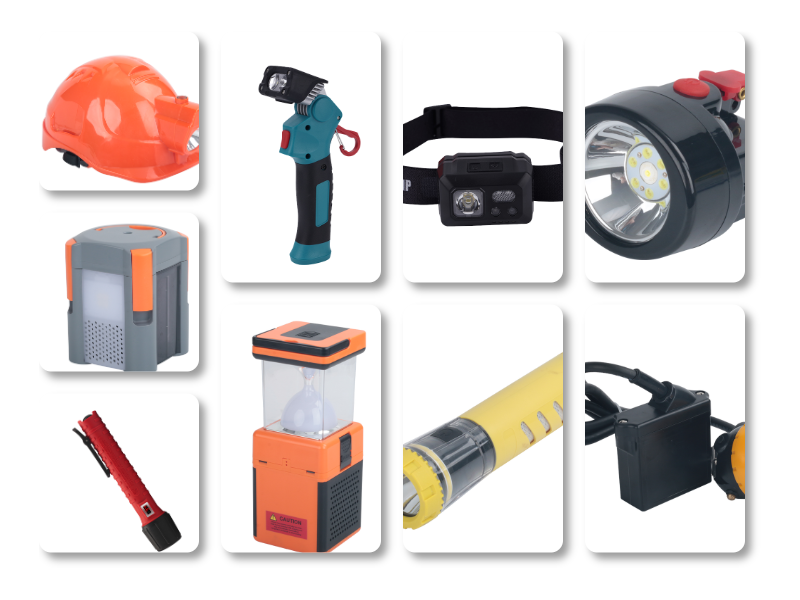
  • Hazardous Area Portable Tactical Lighting Wholesale in China: A Comprehensive Guide

      In the ever-evolving landscape of safety and security, hazardous area portable tactical lighting has become an indispensable tool for professionals working in potentially dangerous environments. China, with its robust manufacturing sector and competitive pricing, has emerged as a leading global supplier of such lighting solutions. This article provides a comprehensive guide to hazardous area portable tactical lighting wholesale in China, exploring the benefits, types, and how to make informed purchasing decisions.

      **Introduction**

      Hazardous areas, such as oil refineries, chemical plants, and mining sites, pose unique challenges due to the presence of flammable gases, vapors, or dust. In such environments, traditional lighting solutions can pose significant risks, making the use of specialized hazardous area portable tactical lighting essential. China’s wholesale market offers a wide range of options, catering to diverse needs and budgets.

      **Benefits of Hazardous Area Portable Tactical Lighting**

      One of the primary advantages of hazardous area portable tactical lighting is its safety. These lights are designed to prevent the ignition of flammable substances, ensuring a secure working environment. Additionally, they offer the following benefits:

      - **Durability**: Constructed with robust materials, these lights can withstand harsh conditions and rough handling.
    – **Portability**: Compact and lightweight, they are easy to carry and set up in various locations.
    – **Versatility**: Available in various configurations, they can be used for a wide range of applications, from search and rescue operations to maintenance work.
    – **Energy Efficiency**: Many models are equipped with energy-efficient LED technology, providing extended runtime and reducing maintenance costs.

      **Types of Hazardous Area Portable Tactical Lighting**

      The Chinese market offers a diverse range of hazardous area portable tactical lighting solutions, including:

      - **Flameproof Lights**: These lights are designed to prevent the ignition of sparks, making them ideal for environments with flammable gases or vapors.
    – **Intrinsically Safe Lights**: These lights are designed to prevent the generation of sparks, thereby eliminating the risk of ignition in hazardous areas.
    – **Explosion-Proof Lights**: These lights are designed to withstand explosions and are suitable for use in environments with high levels of explosive hazards.
    – **Waterproof and Dustproof Lights**: These lights are designed to protect against water and dust, making them suitable for use in various outdoor environments.

      **How to Purchase Hazardous Area Portable Tactical Lighting Wholesale in China**

      When purchasing hazardous area portable tactical lighting wholesale in China, it is crucial to consider the following factors:

      - **Quality**: Ensure that the lighting solutions meet international safety standards and are manufactured using high-quality materials.
    – **Reputation**: Buy from reputable suppliers with a proven track record in the industry.
    – **Price**: While cost is an important factor, it should not compromise the quality and safety of the lighting solutions.
    – **Customization**: Some suppliers offer customization services, allowing you to tailor the lighting solutions to your specific needs.

      **Conclusion**

      Hazardous area portable tactical lighting wholesale in China offers a cost-effective and diverse range of options for professionals working in potentially dangerous environments. By understanding the benefits, types, and factors to consider when purchasing such lighting solutions, you can make informed decisions and ensure a safe and productive work environment.

    hazardous area portable tactical lighting wholesale in China

  • Relay Wholesale: Revolutionizing the World of Retail Distribution

      In the rapidly evolving retail landscape, the importance of efficient distribution cannot be overstated. Relay Wholesale stands out as a beacon of innovation and efficiency in the world of retail distribution. This article explores the role of Relay Wholesale in transforming the retail supply chain and the benefits it offers to businesses and consumers alike.

      **Introduction**

      The retail industry has witnessed significant changes over the years, primarily driven by technological advancements and changing consumer preferences. One of the key factors that have shaped the retail landscape is the distribution process. Relay Wholesale, a leading player in the wholesale distribution sector, has been at the forefront of this transformation. By offering a seamless and efficient distribution network, Relay Wholesale has become a crucial link in the retail supply chain.

      **The Evolution of Relay Wholesale**

      Established with a vision to simplify the distribution process, Relay Wholesale has grown from a small-scale operation to a global enterprise. The company’s commitment to innovation and customer satisfaction has been the cornerstone of its success. Relay Wholesale’s state-of-the-art infrastructure, including distribution centers and logistics networks, ensures that products are delivered to customers quickly and efficiently.

      **Efficient Supply Chain Management**

      One of the primary benefits of Relay Wholesale is its ability to streamline the supply chain. By consolidating orders and managing inventory, Relay Wholesale helps businesses reduce costs and improve their operational efficiency. This, in turn, allows retailers to focus on their core competencies, such as marketing and sales.

      **Customizable Solutions for Businesses**

      Recognizing that every business has unique needs, Relay Wholesale offers customizable solutions to cater to a wide range of industries. From small local retailers to large multinational corporations, Relay Wholesale provides tailored distribution services that meet their specific requirements. This flexibility ensures that businesses can optimize their supply chain and achieve their growth objectives.

      **Enhancing Consumer Experience**

      An efficient distribution network like Relay Wholesale’s directly impacts the consumer experience. By ensuring that products are readily available and delivered on time, Relay Wholesale helps retailers meet consumer expectations. This, in turn, leads to increased customer satisfaction and loyalty.

      **Sustainability and Social Responsibility**

      Relay Wholesale is committed to sustainability and social responsibility. The company implements eco-friendly practices in its operations, such as reducing energy consumption and minimizing waste. Additionally, Relay Wholesale supports various social initiatives, aiming to make a positive impact on the communities it serves.

      **Conclusion**

      In conclusion, Relay Wholesale has become an indispensable partner in the retail distribution industry. With its innovative approach, efficient supply chain management, and commitment to sustainability, Relay Wholesale is revolutionizing the way products are distributed. As the retail landscape continues to evolve, Relay Wholesale is poised to play a pivotal role in shaping the future of retail distribution.

    Relay Wholesale

  • Wiring Duct for Machinery and Equipment: A Comprehensive Guide

      Wiring ducts play a crucial role in the efficient and safe operation of machinery and equipment. These ducts are designed to protect electrical wires and cables, ensuring that they remain organized and secure. In this comprehensive guide, we will explore the importance of wiring ducts, their types, installation, and maintenance.

      **Introduction**

      Machinery and equipment are integral to various industries, from manufacturing to healthcare. These devices rely on electrical systems to function effectively. However, without proper wiring management, these systems can lead to numerous issues, including electrical hazards, equipment damage, and downtime. This is where wiring ducts come into play. By providing a structured and organized approach to electrical wiring, these ducts help maintain a safe and efficient working environment.

      **Types of Wiring Ducts**

      There are several types of wiring ducts available, each designed to cater to specific requirements. Some of the most common types include:

      1. **Flexible Conduit**: This type of duct is made from flexible materials, such as PTFE or nylon, and is suitable for applications where movement is a concern. It is often used in industrial settings where machinery and equipment may shift or vibrate.

      2. **Rigid Conduit**: Rigid conduits are made from materials like steel or aluminum and are ideal for providing a solid and secure pathway for electrical wires. They are commonly used in construction projects and in environments where high levels of protection are required.

      3. **Raceway**: Raceways are used to protect and route electrical wires in open-air environments. They are typically made from materials like plastic or metal and can be mounted on walls, ceilings, or floors.

      4. **Surface Conduit**: Surface conduits are designed to be mounted on the surface of walls or ceilings. They are suitable for applications where space is limited and provide an aesthetically pleasing solution for electrical wiring.

      **Installation of Wiring Ducts**

      Proper installation of wiring ducts is essential for their effectiveness. Here are some key considerations for installation:

      1. **Selecting the Right Duct**: Choose a duct that meets the specific requirements of your application, considering factors like the type of wire, environmental conditions, and the amount of movement.

      2. **Proper Mounting**: Ensure that the duct is securely mounted to the desired location, whether it is on a wall, ceiling, or floor. Use appropriate mounting hardware and techniques to ensure stability.

      3. **Routing Wires**: Once the duct is installed, route the electrical wires through the duct. Ensure that the wires are not overcrowded and that there is enough space for future additions.

      4. **Sealing**: After the wires are in place, seal the ends of the duct to prevent dust, moisture, and other contaminants from entering.

      **Maintenance of Wiring Ducts**

      Regular maintenance of wiring ducts is crucial for their longevity and effectiveness. Here are some maintenance tips:

      1. **Regular Inspections**: Conduct regular inspections to identify any signs of wear, damage, or loose connections. This will help you address potential issues before they become significant problems.

      2. **Cleaning**: Keep the ducts clean to prevent the accumulation of dust, debris, and other contaminants. This will help maintain the integrity of the electrical system.

      3. **Replacing Damaged Ducts**: If you notice any damage to the ducts, replace them immediately to prevent any electrical hazards.

      **Conclusion**

      Wiring ducts are an essential component of any machinery and equipment setup. By providing a structured and organized approach to electrical wiring, these ducts help ensure the safety, efficiency, and longevity of your electrical systems. By understanding the different types of wiring ducts, their installation, and maintenance, you can make informed decisions to protect your equipment and create a safer working environment.

    wiring duct for machinery and equipment